


Next-Generation Sequencing Services
Description
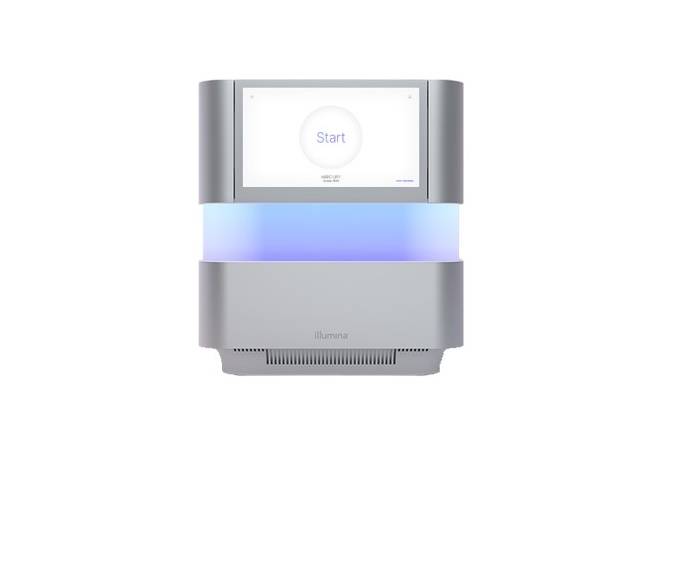
The Molecular Analysis Core provides next-generation sequencing services using the Illumina NextSeq 2000 platform. The MAC works with researchers to develop sequencing workflows based on their research objectives, sample type, number of samples, and required sequencing depth.
A consultation is required before initiating a researcher's first sequencing project with the MAC. During the initial consultation, MAC staff will review the project objectives, sample requirements, quality-control needs, library preparation strategy, and sequencing requirements.
Because sequencing projects vary substantially in scope and workflow, service costs are determined based on the specific requirements of each project. A customized quote will be provided following the initial consultation and project review.
Sequencing Capabilities
Project Consultation
The initial consultation is used to determine the most appropriate workflow for each project. Researchers should contact the Molecular Analysis Core before submitting samples for their first sequencing project.
Topics discussed during consultation may include:
Following the consultation, the MAC will provide the researcher with the applicable sample submission requirements and a project-specific quote.
Sample Requirements
Sample requirements depend on the sequencing application. In general, submitted DNA and RNA samples must meet MAC requirements for concentration, volume, quality, integrity, labeling, and storage prior to acceptance for sequencing.
Researchers are encouraged to consult with MAC staff before sample collection or extraction whenever possible, particularly for new sequencing projects.